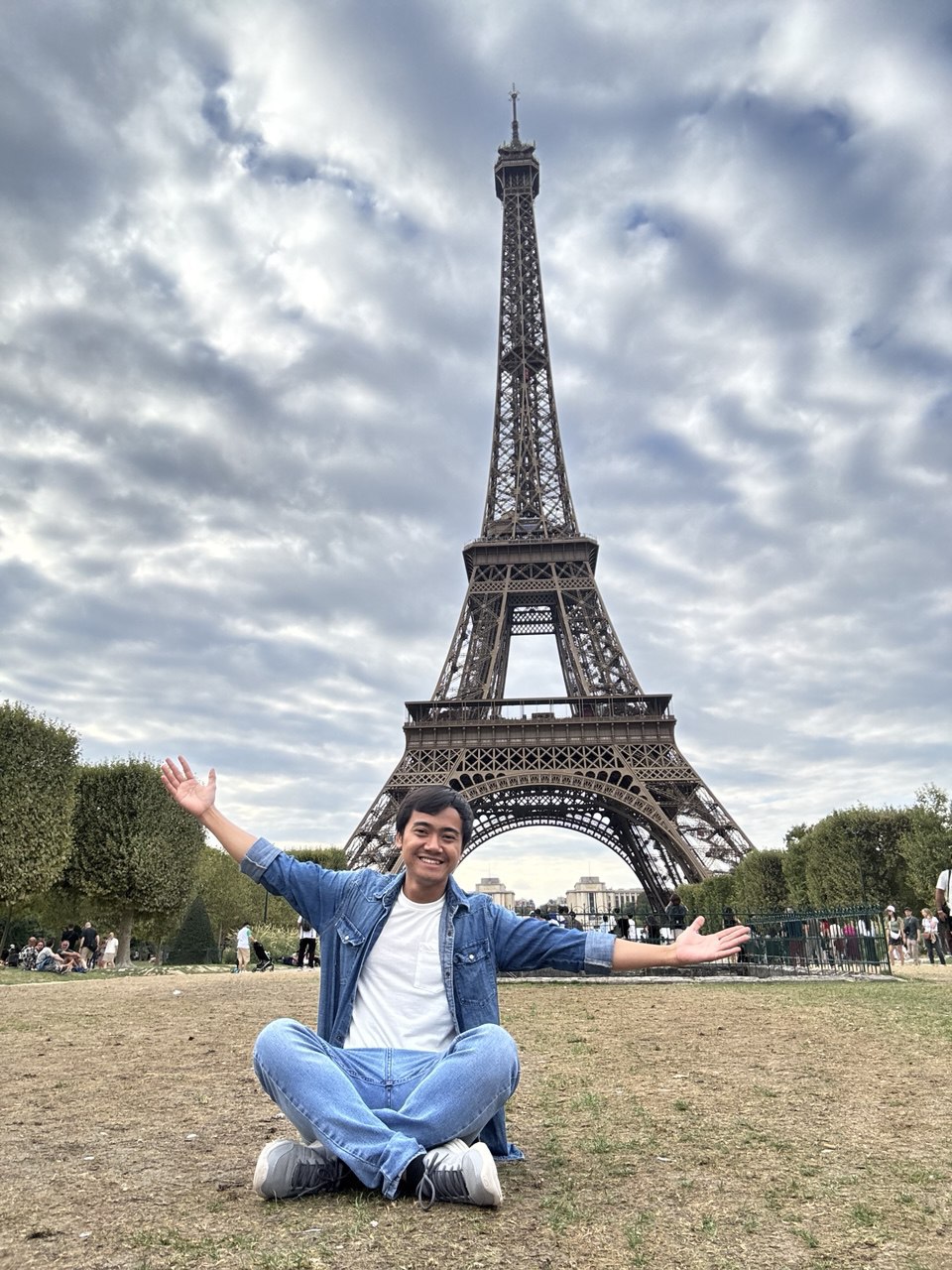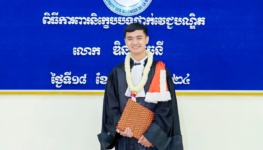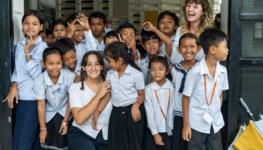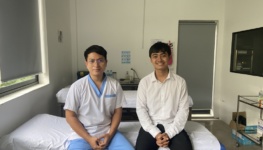
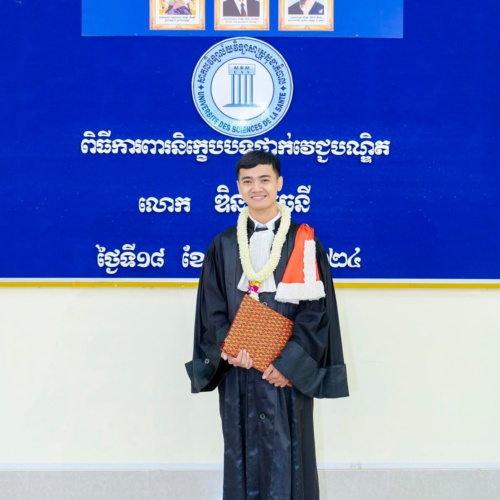
After following DIN Vuthny’s incredible journey up to 2019, we meet him again today—transformed, more mature, and more determined than ever. From a shy young teenager discovering the classrooms of Taramana, he has become a passionate physician, now specializing in pediatrics and neonatology in France. With humility and deep gratitude for his roots, Vuthny shares his path since leaving Cambodia, his challenges, his successes, and how the values acquired at the center continue to guide every step he takes.
Since your last interview in 2019, how have your medical studies progressed?
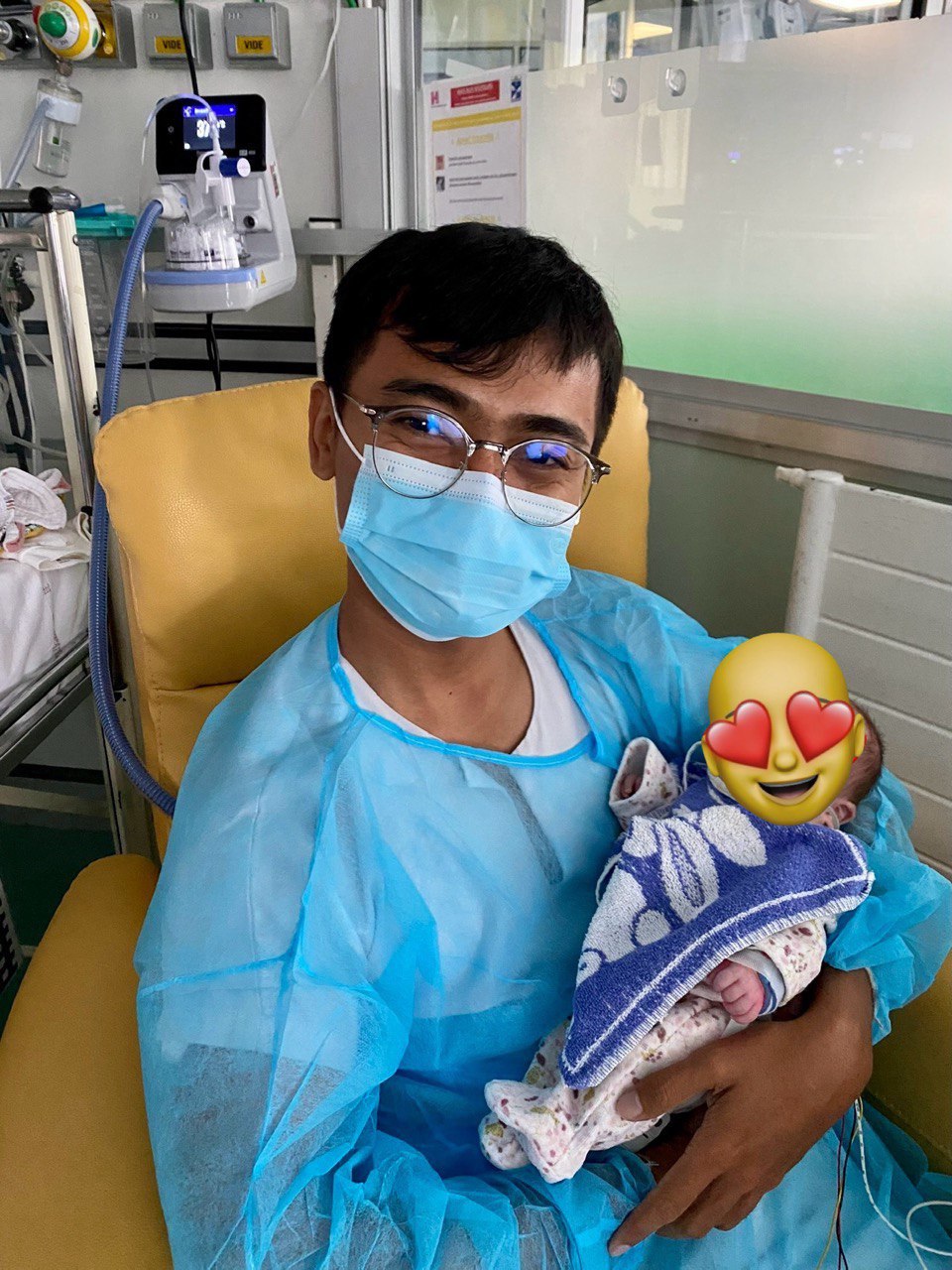
Since the last interview in 2019, my medical studies have gone as I hoped. After completing my sixth year of medical school, I was able to take the competitive exam to specialize in pediatrics. Specialist training lasts four years, during which I worked directly in the hospital to learn how to become a good pediatrician. I began to develop a strong interest in newborns, who are adorable yet fragile, which is why I chose to further specialize in neonatology in France.
Can you tell us about your arrival and integration in France?
Going to France had been my dream since childhood. At first, I was very excited to be there. Then the dream became reality, and real life was not always easy. I had to adapt to many new things such as the environment, the climate, the culture, and the food. This adaptation process was, for me, the best way to learn how to live.
 What were the biggest differences between studying medicine in Cambodia and practicing in France?
Language: In France, it is essential to master French in order to communicate with the medical and paramedical teams, patients and their families, and especially for administrative records. In Cambodia, Khmer is mainly used for communication, while administrative records are in English or French.
Workload: As a resident, the workload and responsibilities are much heavier in France than in Cambodia. However, residents in France are much better paid.
Doctor–patient relationship: In Cambodia, the relationship is more hierarchical. In France, the bond between doctor and patient is closer and more straightforward.
Equipment and expertise: In France, doctors and medical infrastructures are more modern, standardized, and advanced than in Cambodia.
Can you describe a typical day at the hospital at the CHU of Lens?
My work routine at the hospital in France:
- 8:45 a.m.: arrival at the department for the team briefing
- 9:30 a.m.: start work in the department—examining young patients, writing prescriptions
- 1:30 p.m.: lunch break
- 2:00 p.m.: medical procedures (central lines, umbilical catheters, cardiac ultrasound, transfontanellar ultrasound, etc.), administrative files, ordering additional tests, resuscitating newborns in the delivery room
- 6:30 p.m.: end of the workday
During on-call duty, work continues from 6:30 p.m. to 8:30 a.m. (24 hours in the department).
What is the most rewarding aspect of your current work?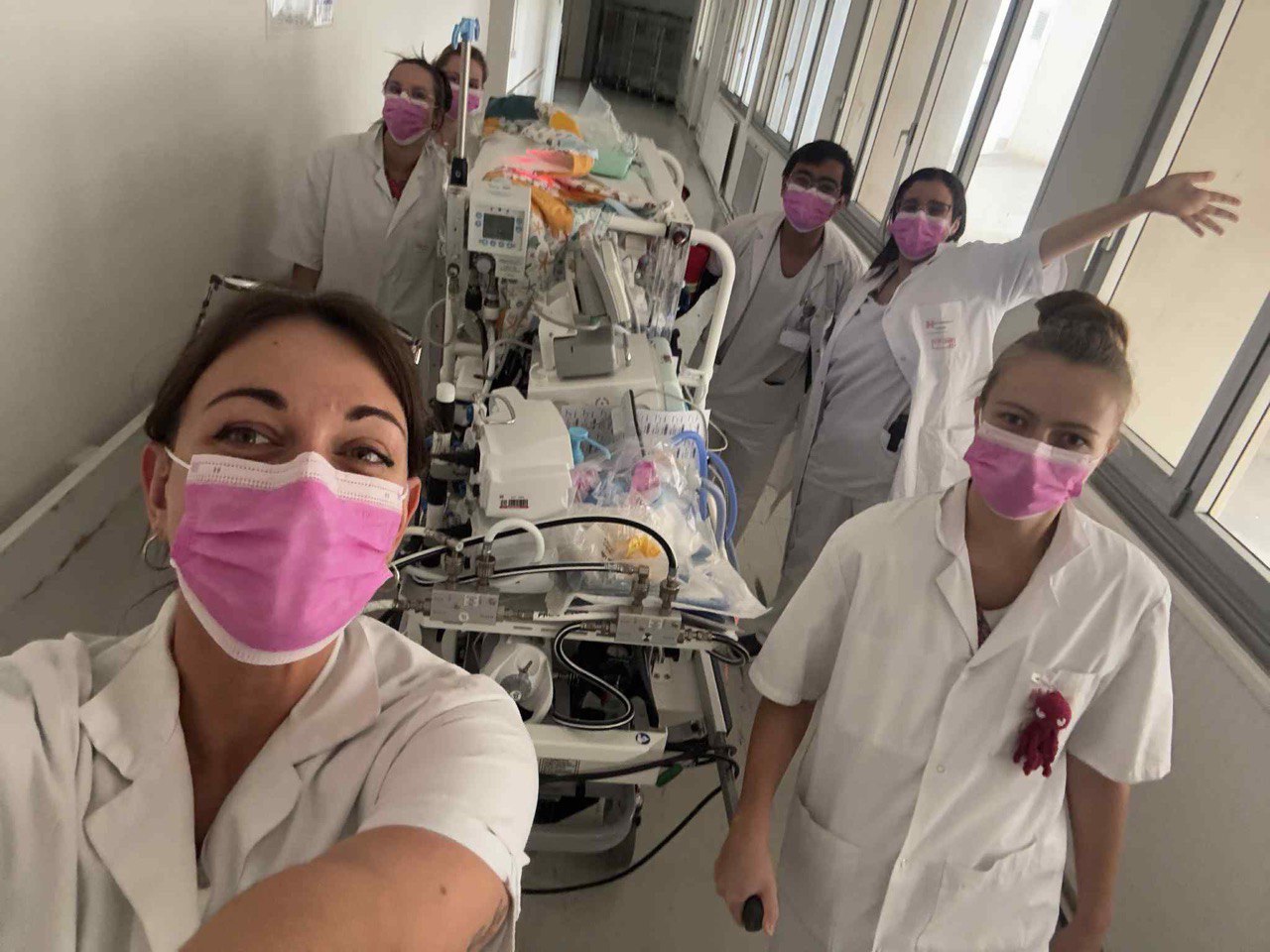
The most rewarding aspect of my work is seeing very small babies who have gone through long and difficult stays in intensive care eventually recover and develop well.
Do you face particular challenges in your profession in France?
Yes, there were many challenges during my training in France, such as the language barrier, the limits of my initial skills, and the heavy workload and intense work rhythms. In fact, I would like to thank all these difficulties, because they have made me stronger and more mature.
Looking back, which skills or values acquired at Taramana still help you today in your profession?
The skills and values acquired at Taramana include:
French: Taramana was my first school where I learned French, which enabled me to pursue higher education in medicine and gave me the opportunity to train in France.
Listening skills: At Taramana, we learn to listen and to understand children’s needs. In the hospital, this ability to listen with empathy helps build trust with patients and their families.
Teamwork: Taramana instills a strong culture of solidarity and humanitarian commitment. This same spirit applies in the hospital setting—helping others without expecting recognition.
Have theater and languages helped you in your medical practice?
Yes, theater and languages have helped me greatly in my medical practice. They allow me to adapt easily and to create a positive atmosphere within my medical teams.
If you could speak to the 13-year-old adolescent you were when you entered Taramana, what would you tell him?
I would tell him never to underestimate himself or the power of curiosity. I would also tell him not to be afraid to dream big, even when the obstacles seem immense. Every day spent at Taramana is a stone laid on the path that will take you further than you can imagine.
What were you like as a student at Taramana?
During my classes at Taramana, I studied with focus. I did what the teacher asked, listened carefully, and took good notes. After class, I reviewed what I had learned, and at home I practiced again before going to sleep.
W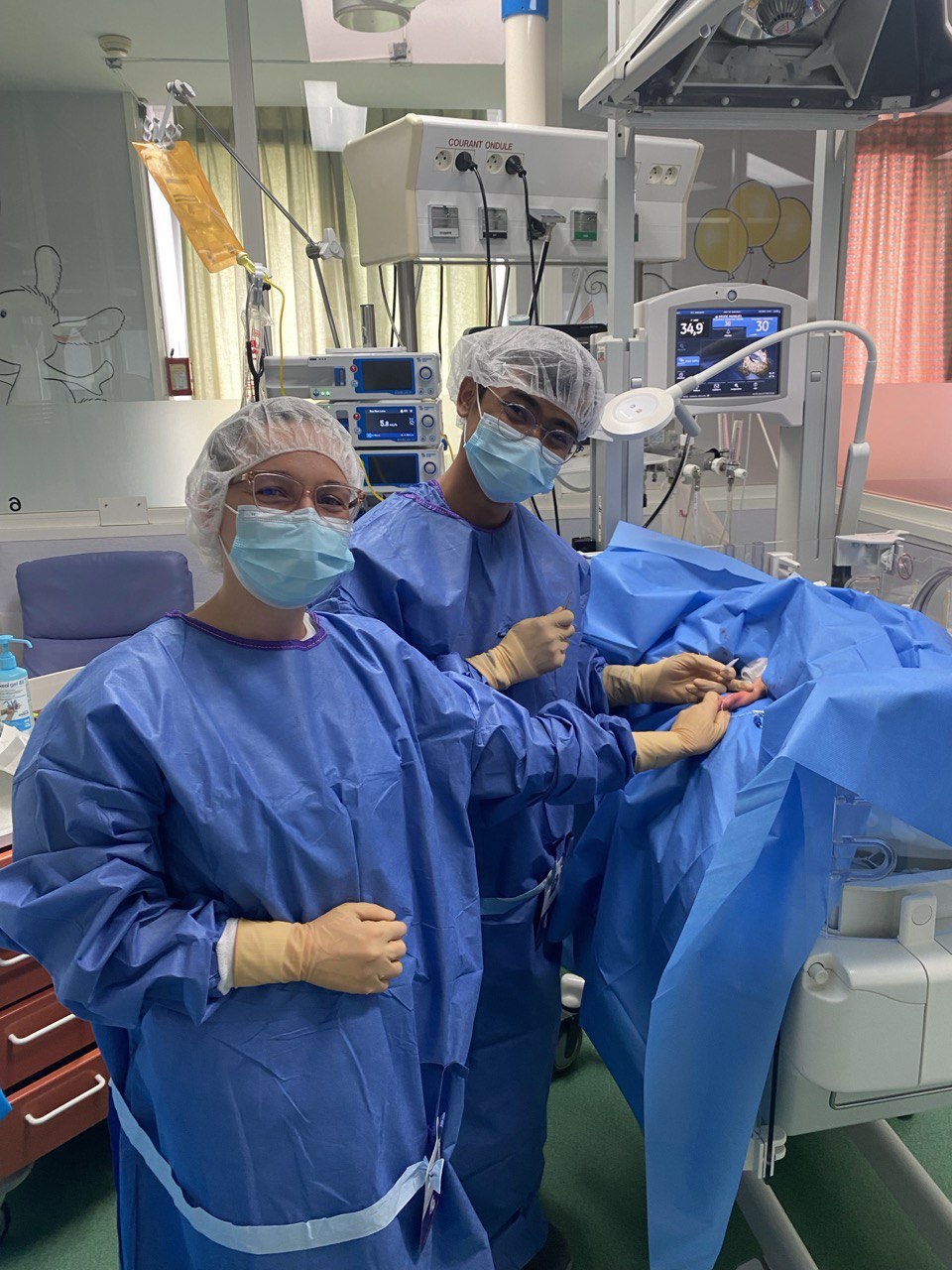 hat advice would you give to Taramana students who also dream of working abroad?
I would advise them to believe in their abilities and their dreams, even when the path seems long or difficult. When you come from a modest background, you may think that studying or working abroad is impossible—but that is not true. With perseverance, discipline, and above all motivation, anything becomes possible. Learn something new every day, not only from books but also from the people around you. Keep practicing French and English, dare to speak even if you make mistakes—that’s how you improve. Mastering foreign languages is like having wings that can take you wherever you wish to go.
Do you still see possible links between your current work and helping Taramana in the future?
Yes, I will always keep a strong connection with Taramana, because it is thanks to Taramana that I am where I am today. I will do everything I can to give back what I received, so that other children can build their future in their own way.
Do you already have a professional plan in mind? Do you think you will stay in France or return to Cambodia?
My plan is to train as much as possible and go as far as I can, so that I can help as many people as possible.
Is there a professional or personal dream you are pursuing now?
At the moment, my childhood dream is coming true. I don’t have a specific new dream to pursue yet, but what I would really like is to support others in achieving their own dreams.
Vuthny’s story is that of a curious child who became a committed physician, driven by hard work, sensitivity, and the support he received at Taramana. His journey is truly inspiring and reminds us how much a caring environment can change a life.
Eager to continue learning in order to provide better care, and equally determined to give back to the organization that helped him grow, Vuthny embodies the hope, perseverance, and generosity we wish to pass on to future generations.
We warmly thank him for sharing his story and wish him every success in the exciting stages that still lie ahead.
To learn more about Vuthny’s journey and his inspiring evolution, we invite you to read the article published on October 30, 2010, on the blog of Jocelyn D., founding president of Taramana: https://taramana.over-blog.org/article-vuthny-futur-docteur-de-taramana-59961571.html