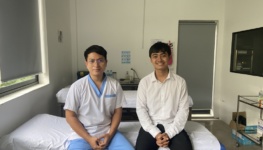
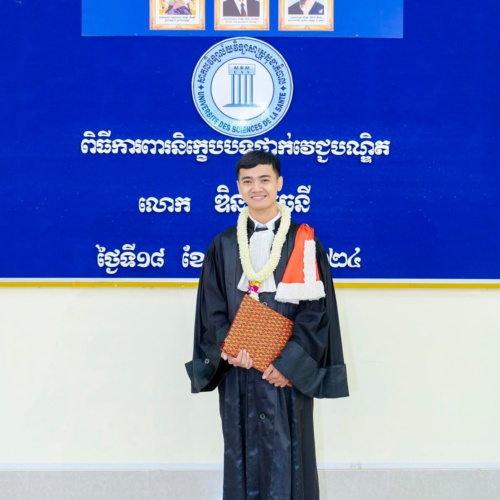
The remarkable journey of Vuthny

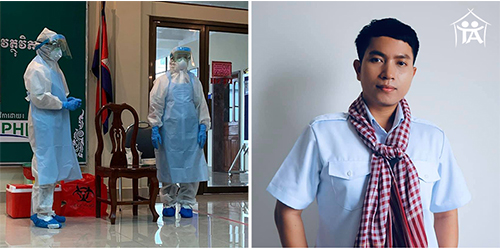
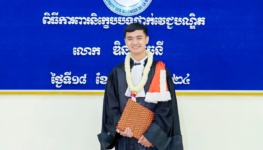
After following DIN Vuthny’s incredible journey up to 2019, we meet him again today—transformed, more mature, and more determined than ever. From a shy young teenager discovering the classrooms of Taramana, he has become a passionate physician, now specializing in pediatrics and neonatology in France. With humility and deep gratitude for his roots, Vuthny shares his path since leaving Cambodia, his challenges, his successes, and how the values acquired at the center continue to guide every step he takes.

Since your last interview in 2019, how have your medical studies progressed?
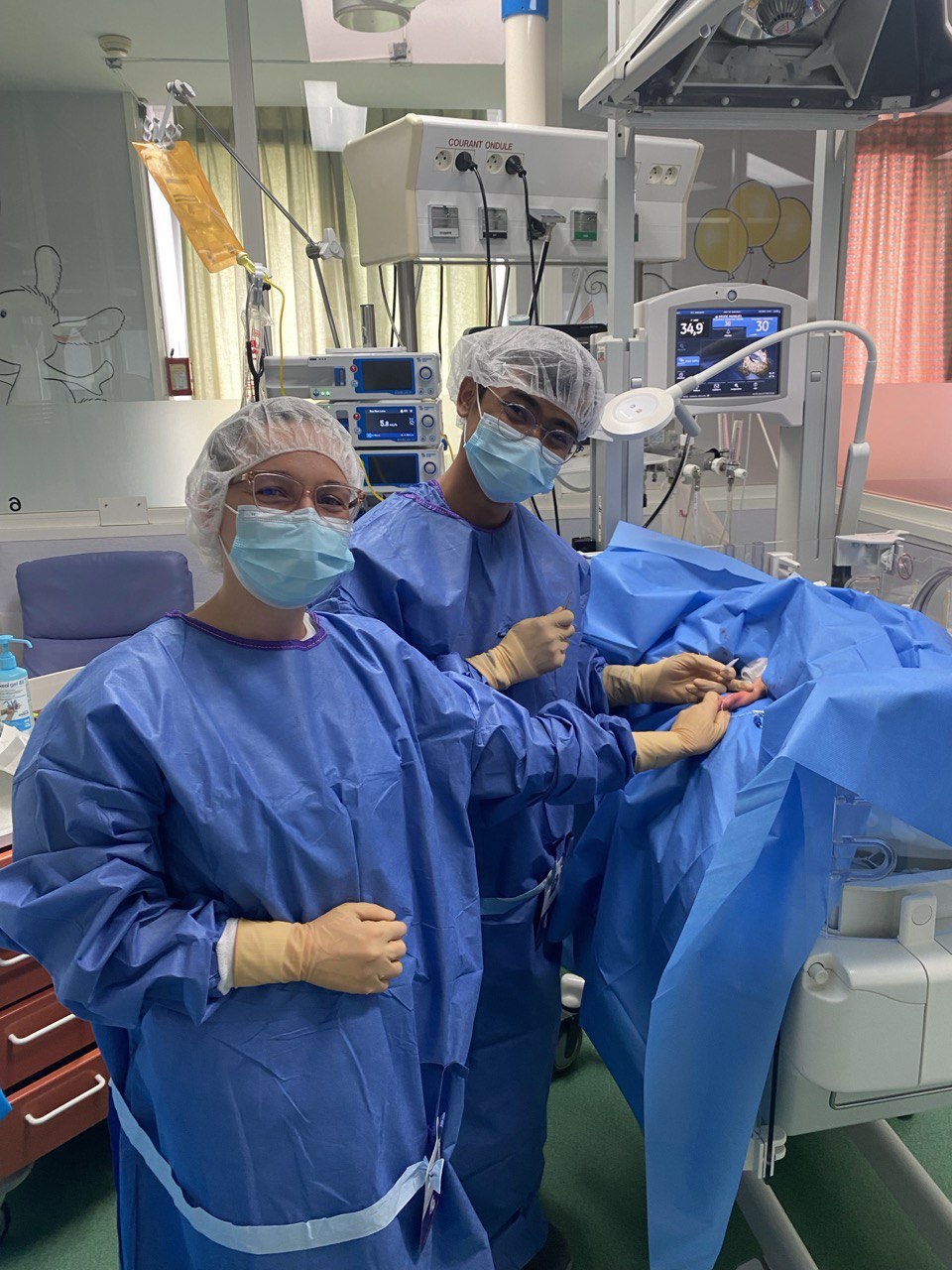
Since the last interview in 2019, my medical studies have gone as I hoped. After completing my sixth year of medical school, I was able to take the competitive exam to specialize in pediatrics. Specialist training lasts four years, during which I worked directly in the hospital to learn how to become a good pediatrician. I began to develop a strong interest in newborns, who are adorable yet fragile, which is why I chose to further specialize in neonatology in France.

Can you tell us about your arrival and integration in France?
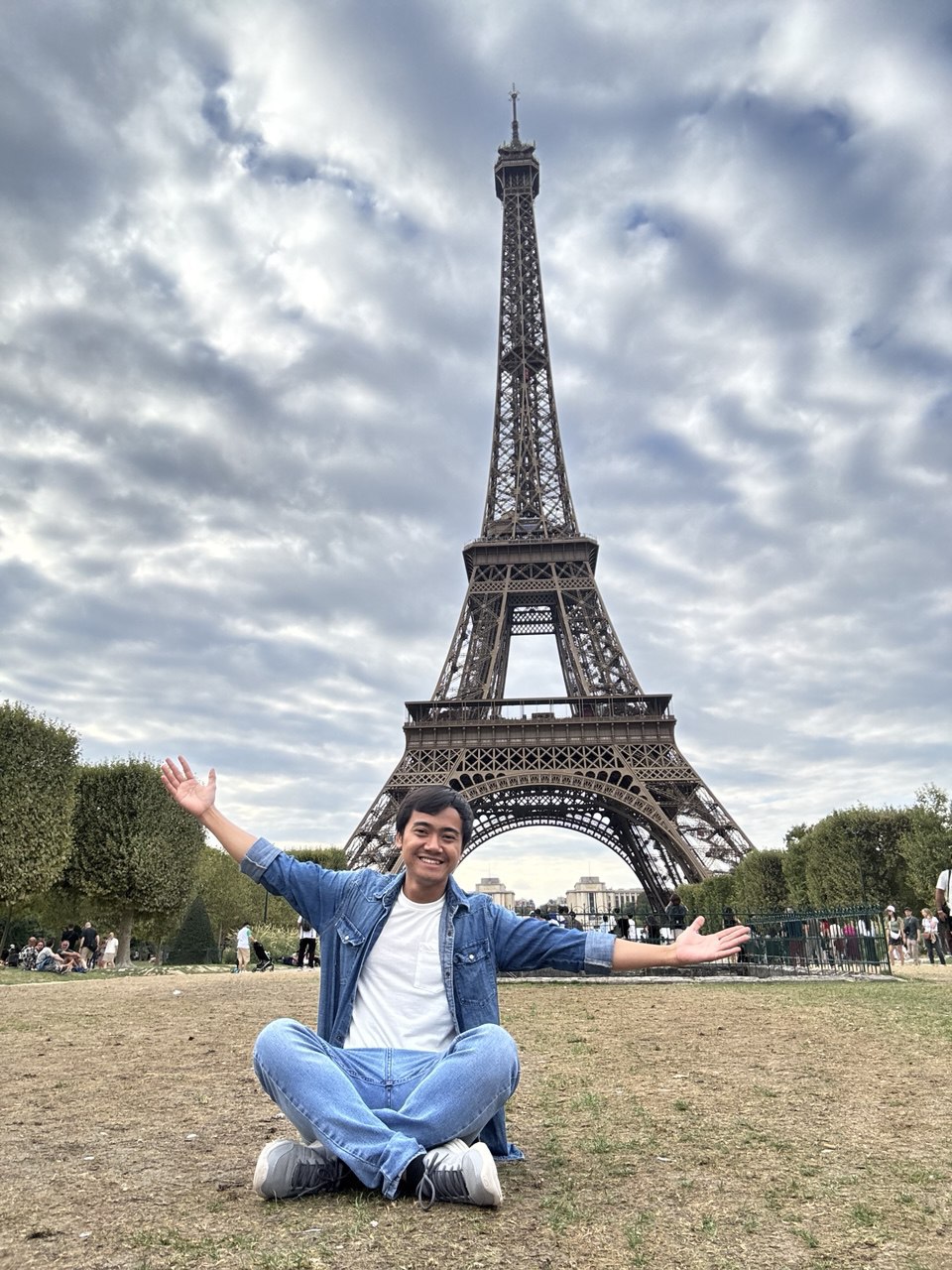
Going to France had been my dream since childhood. At first, I was very excited to be there. Then the dream became reality, and real life was not always easy. I had to adapt to many new things such as the environment, the climate, the culture, and the food. This adaptation process was, for me, the best way to learn how to live.
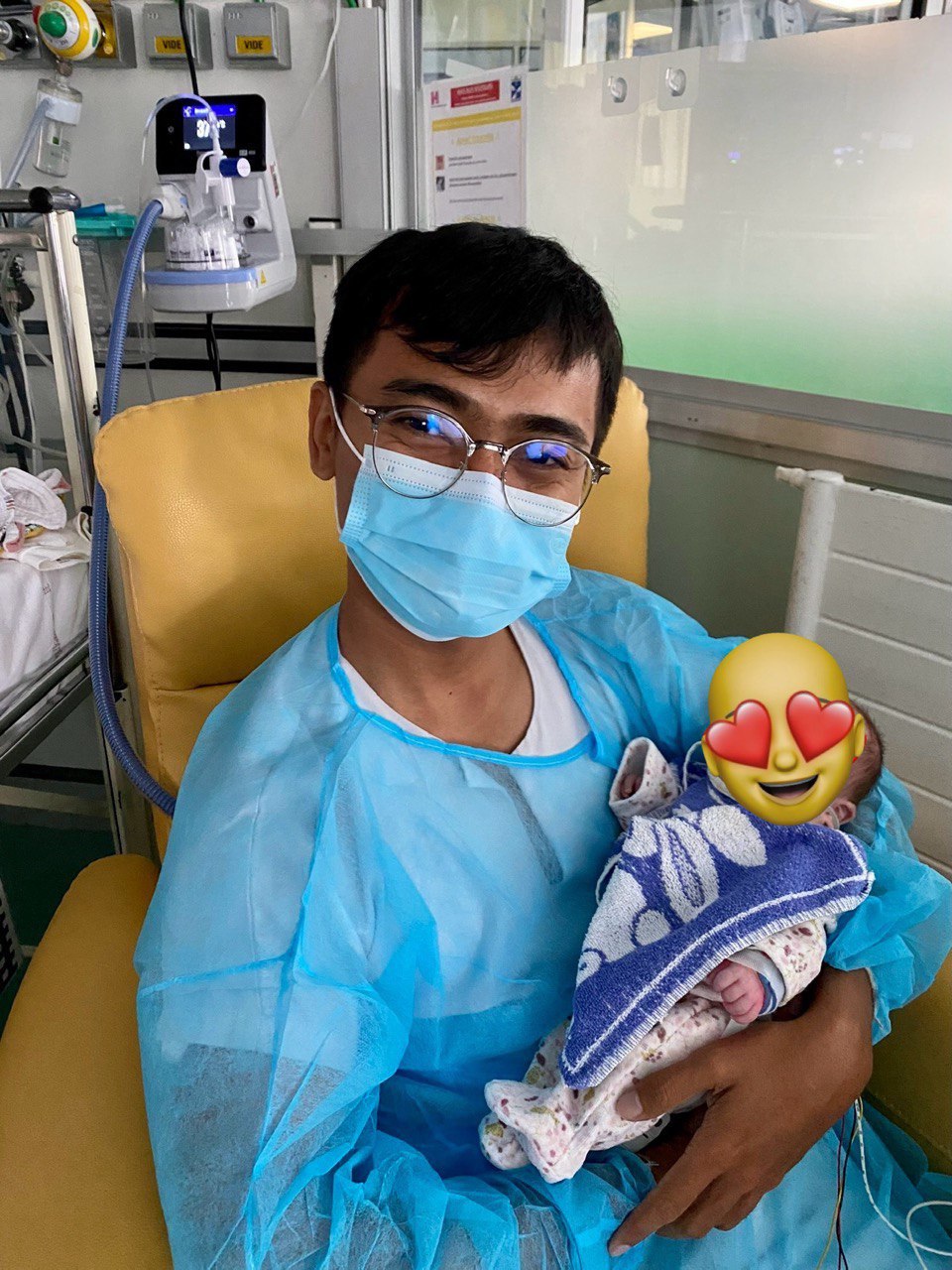
What were the biggest differences between studying medicine in Cambodia and practicing in France?
Language: In France, it is essential to master French in order to communicate with the medical and paramedical teams, patients and their families, and especially for administrative records. In Cambodia, Khmer is mainly used for communication, while administrative records are in English or French.

Workload: As a resident, the workload and responsibilities are much heavier in France than in Cambodia. However, residents in France are much better paid.

Doctor–patient relationship: In Cambodia, the relationship is more hierarchical. In France, the bond between doctor and patient is closer and more straightforward.

Equipment and expertise: In France, doctors and medical infrastructures are more modern, standardized, and advanced than in Cambodia.

Can you describe a typical day at the hospital at the CHU of Lens?
My work routine at the hospital in France:

  • 8:45 a.m.: arrival at the department for the team briefing
  • 9:30 a.m.: start work in the department—examining young patients, writing prescriptions
  • 1:30 p.m.: lunch break
  • 2:00 p.m.: medical procedures (central lines, umbilical catheters, cardiac ultrasound, transfontanellar ultrasound, etc.), administrative files, ordering additional tests, resuscitating newborns in the delivery room
  • 6:30 p.m.: end of the workday

During on-call duty, work continues from 6:30 p.m. to 8:30 a.m. (24 hours in the department).

What is the most rewarding aspect of your current work?
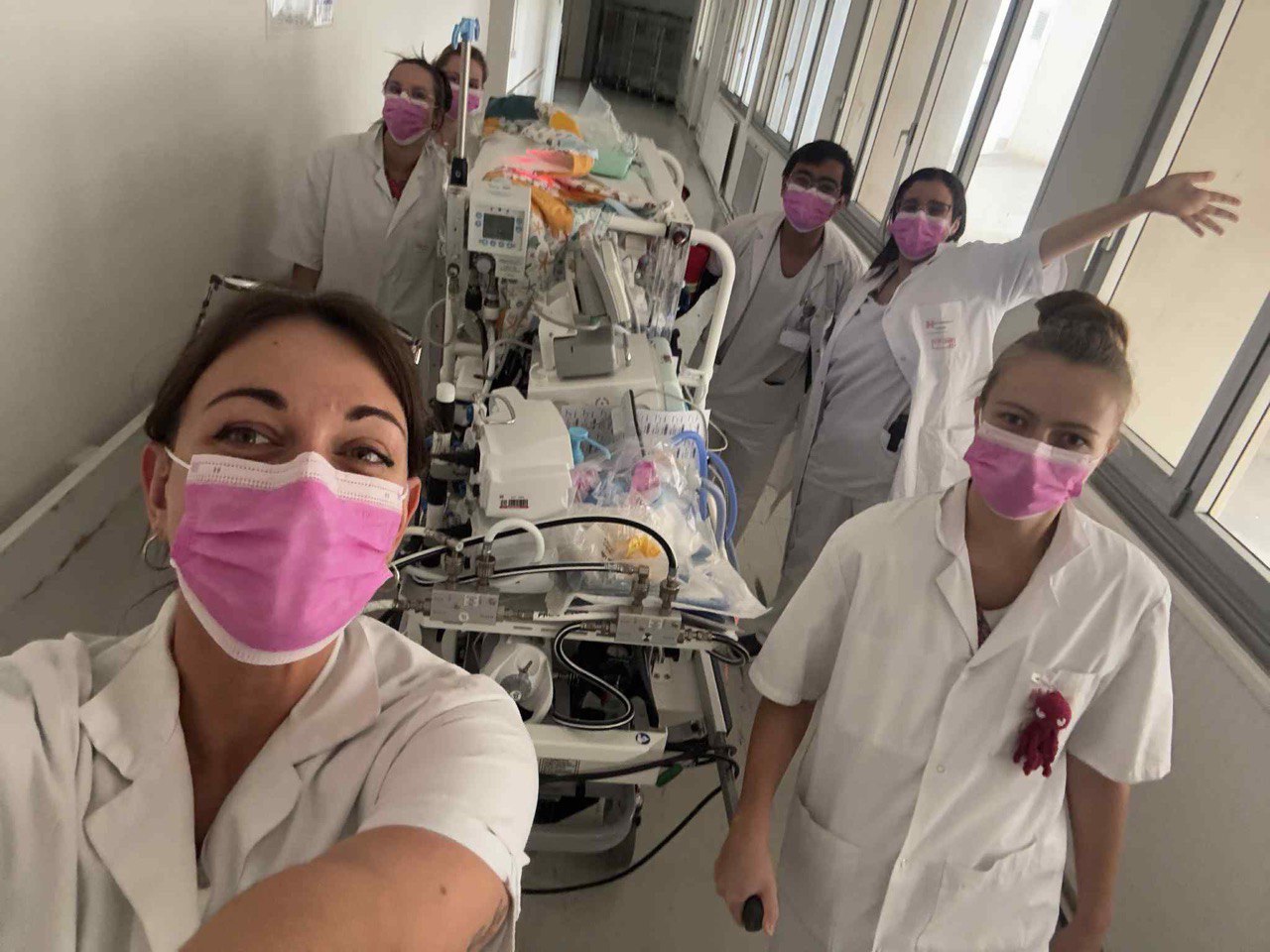
The most rewarding aspect of my work is seeing very small babies who have gone through long and difficult stays in intensive care eventually recover and develop well.

Do you face particular challenges in your profession in France?
Yes, there were many challenges during my training in France, such as the language barrier, the limits of my initial skills, and the heavy workload and intense work rhythms. In fact, I would like to thank all these difficulties, because they have made me stronger and more mature.

Looking back, which skills or values acquired at Taramana still help you today in your profession?
The skills and values acquired at Taramana include:

French: Taramana was my first school where I learned French, which enabled me to pursue higher education in medicine and gave me the opportunity to train in France.

Listening skills: At Taramana, we learn to listen and to understand children’s needs. In the hospital, this ability to listen with empathy helps build trust with patients and their families.

Teamwork: Taramana instills a strong culture of solidarity and humanitarian commitment. This same spirit applies in the hospital setting—helping others without expecting recognition.

Have theater and languages helped you in your medical practice?
Yes, theater and languages have helped me greatly in my medical practice. They allow me to adapt easily and to create a positive atmosphere within my medical teams.

If you could speak to the 13-year-old adolescent you were when you entered Taramana, what would you tell him?
I would tell him never to underestimate himself or the power of curiosity. I would also tell him not to be afraid to dream big, even when the obstacles seem immense. Every day spent at Taramana is a stone laid on the path that will take you further than you can imagine.

What were you like as a student at Taramana?
During my classes at Taramana, I studied with focus. I did what the teacher asked, listened carefully, and took good notes. After class, I reviewed what I had learned, and at home I practiced again before going to sleep.

What advice would you give to Taramana students who also dream of working abroad?
I would advise them to believe in their abilities and their dreams, even when the path seems long or difficult. When you come from a modest background, you may think that studying or working abroad is impossible—but that is not true. With perseverance, discipline, and above all motivation, anything becomes possible. Learn something new every day, not only from books but also from the people around you. Keep practicing French and English, dare to speak even if you make mistakes—that’s how you improve. Mastering foreign languages is like having wings that can take you wherever you wish to go.

Do you still see possible links between your current work and helping Taramana in the future?
Yes, I will always keep a strong connection with Taramana, because it is thanks to Taramana that I am where I am today. I will do everything I can to give back what I received, so that other children can build their future in their own way.

Do you already have a professional plan in mind? Do you think you will stay in France or return to Cambodia?
My plan is to train as much as possible and go as far as I can, so that I can help as many people as possible.

Is there a professional or personal dream you are pursuing now?
At the moment, my childhood dream is coming true. I don’t have a specific new dream to pursue yet, but what I would really like is to support others in achieving their own dreams.

Vuthny’s story is that of a curious child who became a committed physician, driven by hard work, sensitivity, and the support he received at Taramana. His journey is truly inspiring and reminds us how much a caring environment can change a life.

Eager to continue learning in order to provide better care, and equally determined to give back to the organization that helped him grow, Vuthny embodies the hope, perseverance, and generosity we wish to pass on to future generations.

We warmly thank him for sharing his story and wish him every success in the exciting stages that still lie ahead.

To learn more about Vuthny’s journey and his inspiring evolution, we invite you to read the article published on October 30, 2010, on the blog of Jocelyn D., founding president of Taramana: https://taramana.over-blog.org/article-vuthny-futur-docteur-de-taramana-59961571.html 
Deux volontaires en Service Civique à Taramana!

Le Service Civique est une opportunité d’engagement citoyen ouverte aux jeunes de 16 à 25 ans, leur permettant de consacrer entre 6 et 12 mois à une mission d’intérêt général en France ou à l’étranger, dans des domaines aussi variés que l’éducation, la culture, la solidarité ou encore la santé. 

Depuis le 3 juin, Taramana a fait le choix de faire appel à ce dispositif pour la première fois et a le plaisir d’accueillir Marylou et Victoria, deux volontaires engagées, venues mettre leur énergie et leurs compétences au service de notre association.

Pourriez-vous vous présenter ?

Victoria : Bonjour, moi c’est Victoria, j’ai 20 ans, je viens de Cannes et avant d’arriver au Cambodge, j’étais en première année de licence de Cinéma et audiovisuel à Strasbourg. 

Marylou : Bonjour, je m’appelle Marylou, j’ai 26 ans, je viens de Paris et j’ai obtenu mon diplôme scénographie et design en décembre dernier.

Comment avez-vous trouvé et choisi votre mission et pourquoi ?

V : Je cherchais une mission à l’étranger et j’hésitais entre l’Amérique du Sud et l’Asie. Finalement, mon choix s’est porté sur l’Asie et particulièrement le Cambodge, car l’un de mes professeurs en école de cinéma avait réalisé un documentaire sur ce pays, ce qui m’a donné envie d’en savoir plus et de découvrir sa culture. Après cela, tout s’est fait très vite, j’ai postulé à Taramana parce que les missions m’intéressaient, deux jours plus tard, j’ai eu un entretien et j’ai été sélectionnée.

M : Je cherchais un Service Civique dans le domaine de l’éducation pour tous ou la protection des animaux et de l’environnement, avant mon anniversaire, car j’avais l’âge limite pour pouvoir partir. Mon choix s’est porté sur le Cambodge car mon père à quelques amis cambodgiens qui m’ont beaucoup parlé de leur pays et cela m’a donné envie de chercher ici. Je voulais vivre une expérience en immersion totale dans une autre culture, différente des expériences touristiques que j’ai pu faire jusqu’à présent et où j’étais simplement spectatrice. En faisant des recherches, j’ai trouvé que Taramana était l’Organisation qui correspondait le plus à mes valeurs, et comme Victoria, tout s’est ensuite fait très vite.

Que faites-vous dans le cadre de votre mission ?

V : Je m’occupe de toute la communication sur les réseaux sociaux, donc l’écriture et aussi les contenus audiovisuels photos et vidéos, je fais des jeux d’initiation au français, j’aide à l’encadrement des activités du centre, pendant les sorties culturelles, à la bibliothèque, au rugby, et j’ai commencé à mettre en place un atelier de danse et chant.

M : Notre travail est hyper polyvalent, on va parfois aider sur les enquêtes sociales, parfois aider à l’encadrement d’activités et sinon j’anime aussi des jeux d’initiation au français, un atelier d’art plastique qui comprend couture, sculpture, peinture et dessin, je m’occupe aussi de la rédaction de la newsletter et de la mise en page des lettres des enfants pour leurs parrains/marraines, et plus généralement du lien parrains/filleuls.

Vous effectuez votre mission à deux, qu’est-ce que cela vous apporte ?

M : À Taramana, nos missions sont assez différentes, mais on travaille quand même beaucoup en coopération. Par exemple sur les parrainages, le contenu multimédia que Victoria réalise (photo et vidéos) est utilisé pour réaliser les lettres pour les parrains et marraines. Pareil pour la newsletter.

V : Il faut aussi savoir qu’en plus d’être en binôme à Taramana, on est colocataires, donc on est vraiment un binôme +. On se soutient, on partage nos ressentis sur cette expérience, nos découvertes et on s’aide sur certaines tâches.

Quel accompagnement recevez-vous dans le cadre de votre mission ? Avez-vous un tuteur/une tutrice ? Comment ça se passe ?

V : À Taramana, notre tutrice, c’est Véronique, la directrice du centre. C’est elle qui nous a fait passer les entretiens, qui nous a accueillies et qui suit nos missions ici. Elle connait le centre sur le bout des doigts, si on a la moindre question, on sait qu’on peut lui demander et qu’elle saura nous aider. Ensuite, il y a Mali, bénévole au centre en appui à la direction, qui nous suit au quotidien et nous propose un point hebdomadaire pour faire un retour sur la semaine passée, et les tâches de la semaine à venir.

De plus, il y a Thierry, le vice-président de l’association, qui nous a aussi fait passer les entretiens et avec lequel on fait un point mensuel depuis la France pour s’assurer que tout va bien. Et enfin, Jocelyn, le président-fondateur de l’association, qui nous demande de valider les projets importants et ceux qui vont avoir un impact direct sur les interlocuteurs français (adhérents, donateurs, parrains/marraines).

M : En dehors de Taramana, il y a International Impact qui a géré toute la partie administrative de notre venue, et qui nous envoie des messages et nous invite à des événements organisés avec d’autres volontaires. On est quand même assez libres de ce côté-là, si on préfère réaliser notre mission en autonomie, ils le comprennent. Mais on sait qu’on est très bien entourées, qu’on a un filet de sécurité. Si on a une question administrative, on a 3-4 contacts chez International Impact, si on se sent un peu déprimées, on sait qu’on peut aller parler avec Véronique, Mali ou Thierry.

Vous êtes en mission auprès d’un public en situation précaire, qu’est ce que cela vous a appris ?

M : Ça demande de la patience et de savoir apporter l’espace nécessaire pour que les enfants puissent s’exprimer. Savoir apprendre à être en retrait quand il faut et savoir poser les bonnes questions. Il faut savoir aussi lire entre les lignes parce que les enfants ne vont pas aborder certains sujets directement, ils sont plus discrets sur leurs sentiments, leurs ressentis. Ça m’apprend beaucoup en termes de communication et de patience. Il y a eu un temps d’adaptation avant qu’ils se sentent en confiance, il faut les laisser venir vers nous, seuls, et après quand on a leur confiance, on crée un lien vraiment fort avec eux.

V : J’avais déjà travaillé avec un public en situation précaire en France, mais comme l’a dit Marylou, la situation, les besoins et les demandes des enfants sont complètement différentes en France et au Cambodge. On a parfois l’impression d’avoir des petits adultes devant nous, mais il ne faut pas oublier que ce sont des enfants avant tout et donc se comporter et mettre en place des activités, des projets pour des enfants qui ont aussi besoin de s’amuser et d’un peu oublier tout ce qu’il y a autour.

Comment cette mission s’inscrit dans vos objectifs ou projets professionnels futurs?

V : Cela fait longtemps que je suis bénévole dans des associations et j’aimerais continuer le volontariat international après ma mission chez Taramana parce que je trouve qu’un an, c’est trop court ! Soit avec un VSI (Volontariat de Solidarité International), soit en étant embauchée directement dans une ONG. Pour l’instant, le Cambodge me plaît énormément, j’apprends le khmer et j’espère pouvoir rester dans ce pays après ma mission, mais sinon j’essaierais de rester dans la région. J’aimerais bien aussi lancer des petits projets personnels dans l’audiovisuel, je fais beaucoup de photos et j’aimerais bien réaliser des documentaires sur la culture khmère ou la vie au Cambodge.

M : Ma mission de Service Civique n’a pas de lien direct avec mon projet professionnel, mais je sais que cette expérience dans sa globalité est très valorisée dans mon secteur d’activité, parce qu’elle montre une ouverture d’esprit. La plupart des professionnels nous demandent une curiosité pour l’architecture des  autres pays, d’être observateur, ils aiment voir les carnets de voyage, les dessins, et plus tard les inspirations culturelles de ces expériences à l’étranger dans notre travail.

Avez-vous une anecdote à raconter ?

M : J’ai eu la chance de fêter mon anniversaire ici. Le matin à mon arrivée, tout le monde au centre était au courant. J’ai reçu plein de petits mots, de dessins, des stickers, des bracelets et je suis repartie le soir les bras chargés de cadeaux et de souvenirs. C’était un anniversaire comme je n’en avais jamais fait avant et ça m’a énormément touchée.

V : Toutes les interactions avec les enfants pourraient être des anecdotes ! J’apprends le khmer, et en fin de journée, il m’arrive de rester dans une salle de classe pour pratiquer l’alphabet sur un tableau. Quand des enfants ou des collègues khmers me voient, ils viennent et m’aident, me font des petits cours sur les couleurs, les objets du quotidien… C’est comme ça qu’après 2 mois ici, je connais déjà une bonne partie de l’alphabet et plein de phrases du quotidien. 

Un dernier mot ?

V: Si je devais décrire Taramana c’est vraiment richesse culturelle et amour.

M: Merci aux lecteur.ice.s et à toute l’équipe de Taramana, l’aventure ne fait que commencer.


CULTURAL OUTINGS, ANOTHER WAY TO LEARN

Cultural outings or interventions, yes but why?

Develop and enrich your daily life

At Taramana, we have chosen to offer several varied and enriching cultural outings to the students every month. We believe that these outings are essential for the children because they awaken their minds and their curiosity and motivate them to be interested in the world around them. For most of them, this is not possible in their daily life, that is why Taramana has an essential role and is always active in offering them varied and adapted outings.

Through a cultural discovery proposed to the children, several elements are taken into account. Indeed, it allows them to tame their feelings and emotions, to develop their sense of observation and listening through a new form of learning. They gain confidence in themselves and develop in a different way.

The daily life of the children of Taramana is not always easy, so these outings allow them to blossom and escape. The cultural activities that we propose with our partners develop their sensitivity to culture. They are an opportunity for them to become interested in new areas and to develop a critical mind. Above all, it represents an awakening, followed by a moment of sharing and complicity.

Through these early experiences, the child will later develop his or her own opinions and relationship to art and culture. According to the Ministry of Culture: “The artistic and cultural awakening conditions the development and the well-being of the child and, beyond, that of each adult person.

Mr. Both, a Khmer teacher at Taramana and recently in charge of the educational outings, explains his vision of things and why he places so much interest in cultural outings: “Children don’t know Khmer culture very well so I think it’s important that from a very young age, we give them the taste to be interested in it and awaken their curiosity.” “Also, I think it’s important for the children of Taramana to see something other than the Center and their daily environment.” “For me, there is a big difference between what students see and read in books or textbooks and the reality, so I want to take them to discover these cultural places.”

We asked Navin, a grade 6 student, why she likes these cultural outings, “It’s important to learn things and to know Khmer culture well. My favorite place to go is the national museum.”

Now, back to the releases of the month of May

Wat is it ? 

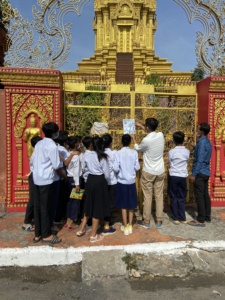
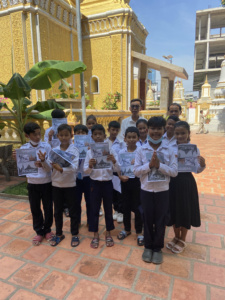
During an outing organized at the end of April, the students of grade 4 and 5, accompanied by their teacher, went to visit one of the most important pagodas of Phnom Penh, “Wat Ounalom”, facing the Tonle Sap River.

A little history…

This Buddhist foundation dating from the 15th century is considered the main home of Buddhism in Cambodia and is also the residence of the leader of the school of Buddhism, Maha Nikaya, one of the most revered Buddhist patriarchs of Cambodia. During this visit, the students discovered the different temples and gardens with great curiosity and a serene and spiritual atmosphere. They were able to learn more about Buddhism, its philosophies and spiritual teachings. The students also had the opportunity to kneel before the Buddha statue and make offerings.

At the end of the visit, they had the chance to discover the temple’s library, where some manuscripts and archives are still present to detail the history of Buddha. They were able to immerse themselves in the texts written in ancient Khmer and understand the history of Buddhist monks. A strong cultural moment for the Taramana students, who are eager to learn more about the history of their country.💡

Bon Chroat Preah Nongkoal

Mr. Both likes to teach the students, he particularly likes to reconnect them to their history and culture, that’s why he organized, the day before Thursday May 18th, a public holiday in Cambodia, a projection to explain the origins and rituals of this day.

The children were able to learn a lot about the Bon Chroat Preah Nongkoal, the royal labor ceremony.

This festival, usually held in May, is held to mark the beginning of the rice growing season, with feasts and prayers in the hope of a bountiful harvest. During the ceremony, chanting monks ask the earth spirits for permission to plow. Ceremonial furrows are plowed, rice is spread and offerings are made to the deities. King Norodom Sihamoni, himself, is often involved in some plowing and planting. It is then the turn of the royal oxen, known in Khmer as Usapheak Reach, to make a prediction for the coming year’s harvest. The oxen are given rice, grain, grass, water and wine. If they chose rice or grain, the harvest will go well and wine, that there will be drought.

Discovery of silk at the National Museum of Phnom Penh

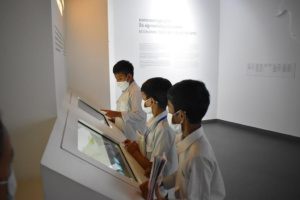
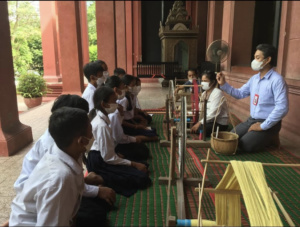
At the end of the month, the children, accompanied by Mr. Both, went to the National Museum of Phnom Penh to discover the exhibition on silk. Explanations on the manufacture and the history of this material at the same time precious and ancestral were with the appointment. The children were able to learn that Cambodian silk has an excellent reputation on the international markets thanks to its quality and its manual production. Cambodia is one of the most renowned producers in the world.

Thus, at Taramana, we believe that these cultural outings are essential for the children’s development and our ambition is to perpetuate the partnerships with the cultural institutes and centers with which we collaborate.

THE IMPORTANCE GIVEN TO HEALTH IN TARAMANA

“Taramana’s medical follow-up is essential.”

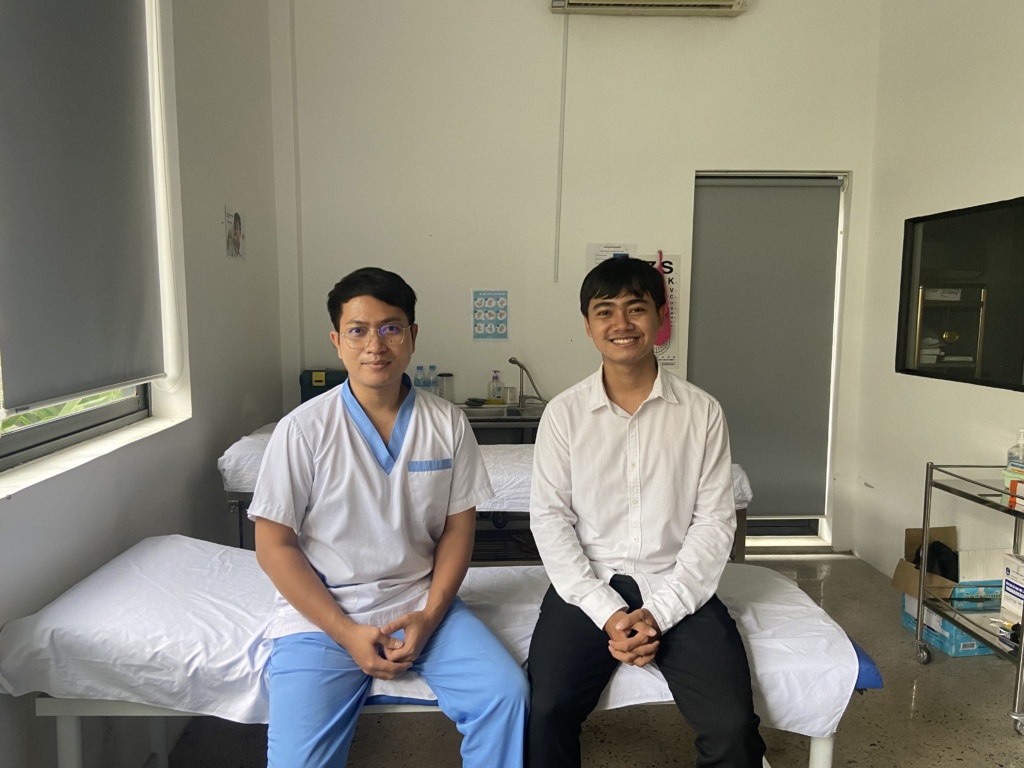
Interview conducted with Vuthny, an internal medicine physician and Visal, a nurse at Taramana.

Since the creation of Taramana in 2005, even before starting any educational program, it was decided to focus on access to health care and nutrition. Under the impetus of Dr. Jocelyn Dordé, general practitioner and President-Founder of the NGO, a vaccination program (tetanus, poliomyelitis, MMR, hepatitis B) was quickly set up and opened to children and families.

Very quickly, the families receive bags of rice every month and the children are assessed with an annual medical check-up, intestinal deworming, multivitamin cures and specific treatments if necessary. In 2008, a canteen was created offering a balanced menu to all children who come to study in the former Taramana center located in the heart of the slum.

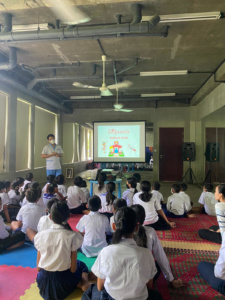
In order to reduce the frequency of infectious diseases affecting the children, awareness courses have been developed and given by the medical team and the various nurses working at the center. Every month, the children assiduously follow sessions allowing them to learn more about body and dental hygiene, the dangers of alcohol and tobacco, drugs, the importance of wearing a helmet when riding a motorcycle, etc. This is all it takes for acute gastroenteritis, scabies and skin infections to become rarer, with the particularity that once they return home, the children are the ones who “sensitize” their parents and seniors. Also, the children at the Center receive multivitamins every two months and a deworming tablet every four months. The result: children who grow, gain weight and have better school results without any doubt.

Interview to follow with Vuthny, doctor at the Taramana Center and Visal, nurse, to give us their impressions and why health is so important at Taramana

1- Can you introduce yourself – explain your background ?

Visal: “Hello, my name is Visal, I am 34 years old and I have been working in Taramana for about 8 years. After finishing my nursing studies at the International University of Phnom Penh, I worked in hospitals and clinics and then I came to Taramana. When I am not working here, I am also a singer!”

Vuthny: “My name is Vuthny, I am 26 years old and I have been a student of Taramana since I was 12 years old. After 6 years of medical school, I am starting my 1st year of specialty in pediatrics. In addition to my studies, I gave French classes in Phnom Penh to Cambodians and additional math and Khmer classes to students of the NGO Enfants d’Asie. Along with Taramana, I am currently an intern at Kantha Bopha Hospital, for the past 3 months, for another 2 months.”

2- Can you explain your main missions at the Taramana infirmary ?

Visal: “I take care of the children and their families and sometimes I help with outside activities.

I order food for the canteen and perform first aid. If the children have medical problems or need to talk, they come to me.”

Vuthny: “I am there when the children of Taramana need and I try to educate them about different health topics, especially hygiene, to prevent them from having diseases in everyday life.

It makes me really happy to come to Taramana because I am a former student of the center and I owe a lot to it.”

3- Why is the medical follow-up of Taramana’s students important to you ?

Visal: “Taramana’s medical follow-up is essential because, for the most part, the children’s families do not have enough time or money to go to the hospital.”

Vuthny: “Health is important because it allows the children to study well, to learn more easily: physical health influences their mental abilities: if they are sick, they will not be able to go to school.

I help families who don’t have time to take care of their children medically.”

4- What is planned for the month of May, or in the coming months? For example, awareness of the dangers of drugs, tobacco, etc…

Visal: “Since the rainy season is starting right now, I am going to set up a presentation on the dangers of dengue and mosquitoes, by which dengue is transmitted. In previous years, I have sharedwith them several awarenesses: dangers of smoking, video games, the importance of hygiene in general, or prevention around animal bites, otherwise known as rabies.”

Vuthny: “As Visal mentioned, since the rainy season is coming earlier than expected this year, we will be putting on a presentation about dengue fever and its dangers. The objective is to sensitize the children by explaining to them the preventive means to put in place in order to avoid being bitten, such as wearing long clothes at night, or not staying in a dark and humid place where mosquitoes stagnate.

I’d also like to set up a presentation to educate them on the importance of outdoor safety, emphasizing wearing a helmet or being careful when crossing, for example.”


5- What is your vision of health in Cambodia, in general ?

Visal: “Health in general in Cambodia is neither good nor bad, but unfortunately, it is not the same for everyone because access is complicated.

For example, here in Boeng Salang, families prefer to have food rather than good health. 70% of children brush their teeth. Fortunately, most of the sensitizations we do at the Center are effective. In this case, the one on brushing teeth was effective: before, the children did not brush their teeth, but now they have the reflex to do it, thanks to the lunch at the canteen where they must necessarily go through the brushing of teeth stage.

The advantage at Taramana is the medical follow-up that we provide, even for the former students; all the former students of Taramana can come, including their families. My wish for the future is that Cambodians all have good health.”

Vuthny: “In my opinion, the Cambodian health system is still limited since we are in a developing country. Indeed, many poor people do not have enough means to get medical care easily. They are therefore unable to be treated and therefore get sick quickly. Some inequalities persist, for example civil servants can have access to free health care. On the other hand, I find that Cambodia allows a good quality of care in the hospital. My wish would be for everyone to have access to care for free, like in the hospital.”

7- How do NGOs play an important role in health care ?

Visal: “NGOs are essential in terms of access to health care for several reasons:

  • Free access to health care
  • Good quality of services and medicine
  • However, I think there should be more medical staff in the NGOs, to bring help to families in need.”

Vuthny: “Taramana allows children and families to become aware of the importance of health, through different actions such as:

  • Vaccination follow-up; I was vaccinated against hepatitis B, without Taramana this would not have been possible
  • Dental hygiene: the children have taken good daily reflexes
  • The contribution of health knowledge
    If children are aware of the dangers, they can limit their rate of hospitalization and illness. Thanks to Taramana, children have access to education, which allows them to have access to a good job. This is especially true for me; thanks to Taramana, I will be able to become a doctor.”

8- What are, according to you, the positive and negative points of NGOs, at the medical level ?

Visal: The positive point is that we help people. The negative point is that there are not many means.”

Vuthny: “First of all, for me, there are more positives than negatives:

  • the NGO can relieve the hospitals
  • It helps children and their families
  • It allows children to escape and be occupied
  • It gives access to free medical care
  • Access to a balanced meal with vegetables
  • To benefit from a vaccination procedure
    The main negative point is the lack of means and personnel. In Taramana, for example, someone should be present in the morning.”

9- What would be for you the 3 qualities to work in an NGO at the medical level ?

Visal:

  • “Honesty
  • To be committed to your work
  • The ability to adapt since it is a special environment, it has nothing to do with a “normal” company or clinic Vuthny:
  • “Being human
  • Sociable
  • Patient”

10- In your opinion, what could be changed in the Cambodian health system ?

Visal:

  • “Make health more accessible by implementing more free medicines
  • Create more hospitals and staff
  • Make children more aware of the importance of hygiene etc…”
    Vuthny:
  • Have access to hospital for free.
  • Have more medical staff
  • Make Cambodians more aware of the different dangers, as this would allow them to reduce care, etc.”

Orkun chraen Vuthny et Visal✨

GREEN DAY, A PROJECT TO RAISE CHILDREN’S AWARENESS OF ENVIRONMENTAL PROTECTION

On April 5th and 6th, Taramana opened its doors to a special event called Green Day!

Launched in 2020 by Elise Mousset and a few other volunteers at the time, the Green Day project had to be suspended due to the pandemic and the restrictions it caused.

But the idea of this project never ceased to hover over the center and its resumption quickly became obvious to Sarah Elnikoff, a new volunteer at Taramana as soon as the situation improved.

But what is Green Day ?

It is two days where classes are replaced by environmental awareness sessions, in order to invite children to be real actors in the reduction of global warming. On the program: games, discoveries, meetings and a great gift at the end of the day.

On April 5th, Taramana was lucky enough to welcome its partner Young Eco Ambassador, whose dynamic team had already come to the center in 2020. Thus, eight members of their NGO were able to accompany the students in various workshops. After a short presentation, the children were divided into two groups: the older ones on one side and the younger ones on the other.

First, the older children were shown a slide show explaining the damage caused by plastic on the environment. Thanks to videos, they were also able to understand that the fish of the Mekong were in danger and that there were different ways to fight pollution.

More simply, with the help of drawings, signs and coloring, the little ones also had access to the same information. And we can say that after that, they were very motivated to become real anti-plastic warriors 😉

But talking about it is good. Taking action is better!

Grades 4, 5 and 6 then had the opportunity to carry out a waste collection in the slum, supervised by the Young Eco Ambassador and Taramana teams. And they were efficient: nearly twenty garbage bags were filled.

Afterwards, children and adults alike had the opportunity to create a flag in the shape of a fish, in honor of the World Fish Migration Day. Nice, isn’t it ?

It is thus with a lot of joy, good mood and full of new things in the head, that the first day of Green Day ended. A big thank you to our partner for its involvement and its qualities of transmission.

On April 6th, the Taramana team took over the organization of this second day, with the theme of recycling and the discovery of new information.

Teams were formed with a Khmer staff member and a volunteer who led various workshops in pairs. It was an opportunity to propose another mode of education, inclusive and playful, there was something for everyone.

The first one invited the children to make crafts from waste collected the day before. Some of them showed real artistic talent!

The second workshop consisted of viewing two videos on the use of single-use plastic. Afterwards, the children were asked to make a mini-game about the sustainable alternatives that exist.

We talked about solid soap, reusable bags, bamboo toothbrushes and water bottles.

The third workshop also focused on recycling. Indeed, the students were able to enjoy a duck fishing made from soda cans, a bottle throwing game made from plastic bottles and cardboard, as well as a fun and funny courseraising awareness about the use of garbage cans.

The last workshop taught them about the different dangers that plastic can have on animals, both terrestrial and marine, and that it is important to be careful by reducing our waste consumption.

At the end of the day, the children received a Green Kit, consisting of a tote bag created from recycled fabrics by one of the local seamstresses, as well as a reusable cup and straw made from food grade silicone.

We were able to offer this kit to the students thanks to our second partner, Only One Planet, who gave us a nice discount.

The first edition of Green Day was a great success, both for the children and for the Taramana team. Students, volunteers, teachers and staff were able to spend time together learning, having fun and discovering new alternatives to become environmentally responsible citizens. We are already looking forward to a second edition next year!


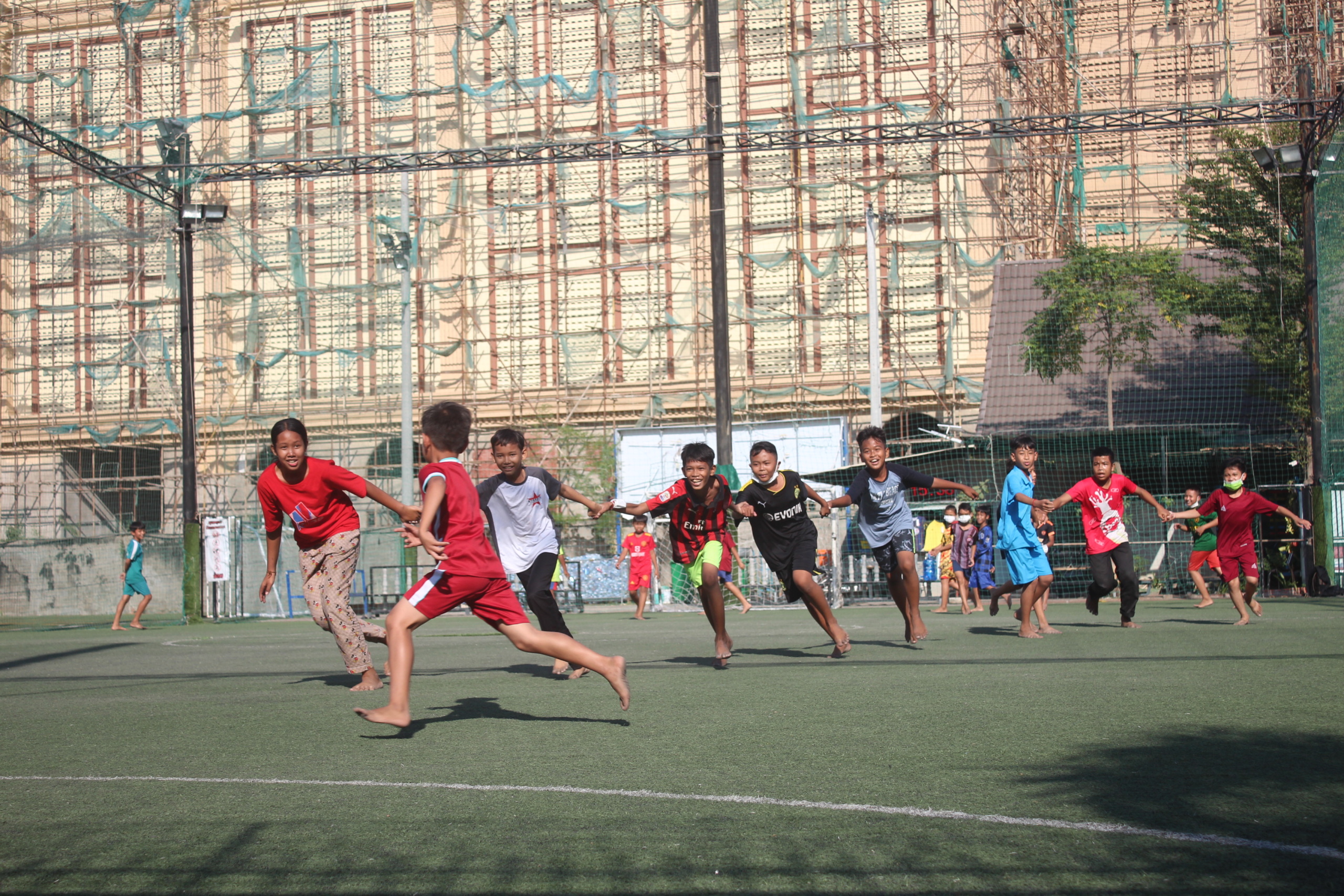
At Taramana, our first objective is to support children by increasing their access to education. Through various activities, integrated step by step into our educational program, we try to help them grow and develop harmoniously. From soccer to painting, from dance to music and after-school activities, Taramana students can participate in a variety of activities.

WHY ARE THEY IMPORTANT ?

Regular activity greatly enhances children’s physical, social and emotional well-being. Through play, children learn about the world and themselves. They also learn skills they need for study, work and relationships, such as self-confidence, curiosity and the ability to cope with difficult or unfamiliar situations for which they will develop coping skills.

Regular physical activity is necessary to help them maintain good health and motor skills. They learn to use their bodies and to recognize their abilities and limitations. They also discover the power of the mind and emotions on their performance. The activities help them develop agility, endurance, coordination and balance.

THE TRANSCENDENT POWER OF SPORT: BE THE BEST YOU CAN BE

With our partner Kampuchea Balopp, the children practice rugby every Tuesday and Thursday on an adapted sports field, located just a stone’s throw from the center.

With the freedom and space of the outdoors, our students can improve their health and fitness through play and recreation. These regular sports trainings are a good way for them to meet other young people from the neighborhood and develop values essential to their development.

Every Wednesday, about thirty of our beneficiaries meet after school for a soccer training. With a simple little woven ball and four flip-flops as goals in the center’s playground, the young people let their imagination and creativity run wild with one common goal: to have fun.

WHAT VALUES ARE FOUND IN SPORT ?

Integrity, fair play, respect for oneself and others, solidarity, exemplarity, self-control, humility, surpassing oneself, fraternity, are all values that enrich the practice and transform young people. Sport can teach values such as fairness, team spirit, equality, discipline, inclusion, perseverance and respect.

According to UNESCO’s program, “sport has the power to provide a universal framework for learning values, thereby contributing to the development of the soft skills necessary for responsible citizenship.

Sport transmits the spirit of determination, the desire to push the limits, to reach a common goal, the desire to rise above poverty and exclusion. It helps to overcome marginalization and test the very limits of personal endurance. “In every society, sport is a fabulous field of dreams and a force for positive change – we must do everything we can to harness this power. (Irina Bokova, Director General of UNESCO from 2009 to 2017).


SPORT, A CIVIC COMMITMENT AND A SPRINGBOARD FOR SOCIAL TRANSFORMATION

By providing players with the skills and training to see beyond their daily living conditions, sport becomes a vehicle for social mobilization. Engaged beneficiaries gain confidence, build relationships and construct a community that provides a support system long after the whistle blows.

Participation in sport can support the delicate transition from adolescence to adulthood, facilitating inclusion and promoting civic engagement. Girls’ participation in activities with boys builds respect and tolerance.

Prioritizing the equal participation of girls and boys is one of the goals of Taramana. By providing a positive physical outlet, players are freed from social pressures and can escape into a new world, with established rules, to pursue a common goal.

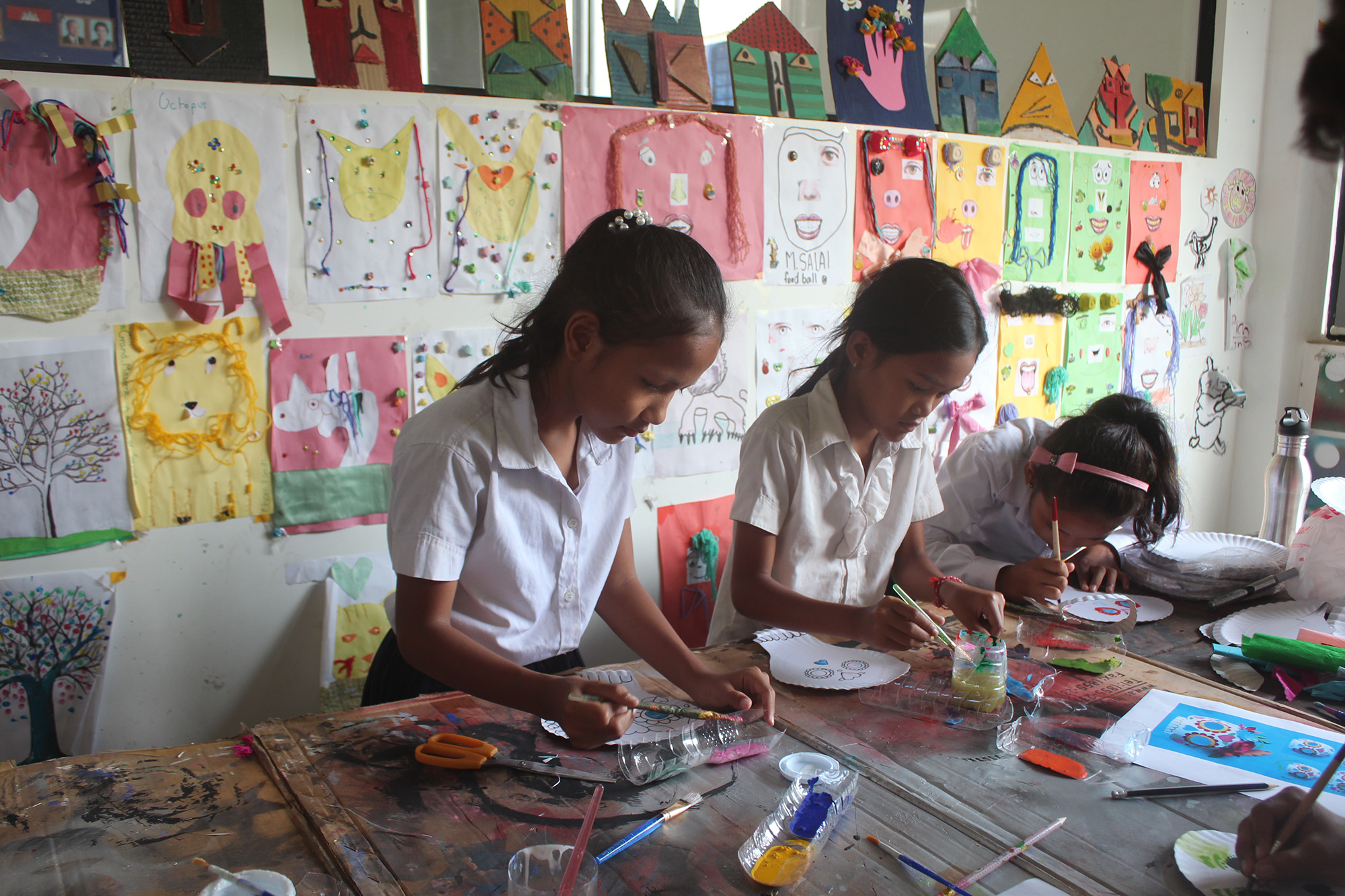
Through art activities, children participate in their emotional and behavioural development. Play can help reduce stress and anxiety. It also helps to stimulate joy and self-esteem. Dance classes and introductory music workshops can help children develop their creativity.

Children are also invited to use their imagination, agility and concentration in manual activities. Children are invited to try different techniques and skills adapted to their level, which tends to reinforce their self-confidence and identify their tastes and desires. These are useful skills to develop relationships with others in a different way and to discover oneself in a caring and adapted space.


WHAT DO THE STUDENTS AT THE CENTER THINK ?

The volunteer team asked our students a few questions to better understand how they felt during the activities.

What is their favorite activity at Taramana?

Most of them mention soccer, followed closely by hip hop class. Rugby is also very popular among the children thanks to our partner Kampuchea Balopp who does a great job.

Why do they like these activities?

They like being part of a group, being together with the same goal. Most of them told us about spending time with their friends. The activities are an important social time for them. The students also enjoy talking with our volunteer team, it is an opportunity for them to interact with different cultures and improve their language skills.

Do they have any activities outside of Taramana?

Unfortunately, most of them do not have any activities outside the center. That’s why they really want to continue to participate in the activities offered by Taramana, even when they are no longer in the care of the center (from grade 7 onwards) because they can’t do that at home, as they say.

IN THE RING WITH KAN MENG HONG

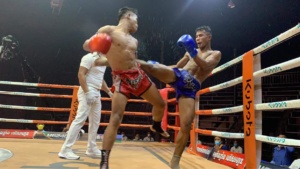
This month, we had the chance to receive the visit of Kan Meng Hong, a former student of Taramana who became a recognized champion in the boxing world. On January 8th, he won his 2 matches at the Kun Khmer Super Fights II, organized in Phnom Penh. Meeting with Kan Meng Hong and review of his career:

Kan Meng Hong grew up in Boeng Salang, with his older sister and grandmother. He attended public school by half-day and the Taramana center the rest of his time. In order to help his family, he soon quit school to work in construction at the age of 12. Boxing was something he fell into at a very young age. When asked why he started this sport, he admits with a laugh “I was a brawling child with a lot of energy, I had to channel it. At 13, I was already fighting with older teenagers!”

Boxing is his passion, a true vocation. At the age of 16, he joined a club to train for free in his spare time. After only two days, the coach offered him to represent the club for a fight. He had to face an opponent of the same age and weight as him. Kan Meng Hong did not hesitate for long. A few moments later in the ring, the victory fell. The machine was launched!

Taramana boxe Kan Meng Hong

Kan Meng Hong has now a nice record of success: out of 80 fights, he has lost only 12 times. 15 of his opponents have also given up during the fights. He has been on the national sports list for 3 years now.

Boxing imposes a framework and very strict rules, one must know how to make sacrifices. His trainings are supervised and he must submit to a particular diet: bye bye fast food and energy drinks. Ken Meng Hong follows a high protein diet and does weekly strength training in the weight room. What he particularly likes about boxing is fighting against others, pushing his limits and learning about himself. The values instilled by this sport have made him grow. Respect, determination and humility are now an integral part of his identity.

In terms of goals, Kan Meng Hong is always aiming higher. For the next few months, he would like to continue to win his matches in order to save more money and continue to help his family. From next year, he wants to join the national delegation for the Southeast Asian Games, which will be held in 2023 in Cambodia. He didn’t tell us anything about the Olympic Games in Paris in 2024, but we hope he will participate!

Taramana boxe Kan Meng Hong

Now 19 years old, he left Boeng Salang to live closer to his training place, at the Old Stadium of Phnom Penh. He has a room in an apartment, which he shares with 3 other roommates. His family also left Boeng Salang, to settle in the same area as him. His struggles allow him to support himself and his family in a comfortable way. Whenever he has some free time, he spends it with his grandmother and the rest of his family.

Kan Meng Hong is one of Taramana’s most emblematic figures. His childhood in the center, he keeps memories full of it! His best memory is undoubtedly the parody clip of Gangnam style.

He also enjoyed all the activities offered, especially soccer and rugby. He also loved the hip hop with his team, which gave him the opportunity to perform in front of Hun Mani, the son of Prime Minister Hun Sen.

BEHIND THE SCENES OF THE NEW PARODY CLIP OF “LES PETITS CHENAPANS”

Here we go! The wait had become too long. After more than two months of shooting, hundreds of takes, few means and several dozens of hours of editing later, the troupe of the Petits Chenapans has officially made its comeback with the release of their video clip as burlesque as it is solidary.

On a cover of an Annie Cordy song, “La bonne du curé”, renamed “À deux doigts de craquer”, our eleven artists evoke with humor and sincerity the malaise and distress of French students, collateral victims of the Covid-19 pandemic. Isolation, loneliness, psychological and financial difficulties… all the subjects related to the student situation are approached in an offbeat way.


“Through this video, we wanted to send a wink to the students in France who are suffering, to give them a smile for the time of a video,” describes Jocelyn Dordé, the founder of both Taramana and the Petits Chenapans troupe. And the smiles also appeared on the faces of the actors: all of them unanimously “loved” participating in this project!

EMPATHY IN ALL ITS FORMS

Solidarity has no borders, even with the 10,000 kilometers of distance that separate France from Cambodia. On the contrary. This video allowed the actors to become aware of the fate of French students and thus to lessen the differences. “Participating in this video allowed me to understand much better the life of French students during Covid. It’s harder than in Cambodia because here we can always go out, see our friends and work in groups,” says Vuthny in perfect French.

As in France, strict measures have been taken by the Cambodian authorities to limit the spread of the virus impacting the lives of the Khmers. A similar situation that “shows that we are all affected by the Covid-19 pandemic,” says Sereykanha. Before the filming began, I learned that French students were facing many problems… but it’s not just the French who are impacted but all students around the world.”

FRANCOPHONY

Their video was originally intended to be presented during the International Day for Francophonie at the French Institute in Phnom Penh. Valentine Gigaudaut, cooperation attaché for the French-speaking world at the embassy (see her interview in our April newsletter), already knew the Petits Chenapans theater troupe and suggested that they broadcast a video at the end of the annual dictation.

It was a coincidence, since at the same time the idea of a parody video on the theme of Covid came up, after the founder of Taramana had reinvented the lyrics of an Annie Cordy song. “I wanted to pay tribute to her,” he recalls. That’s when the adventure began; Action!

FUN WITHOUT TRICKS

The filming team was then activated around the founder of Les Petits Chenapans: Laurène Belcour, Camille Jallet and Laurie Andriamanarivo as assistant directors for the sets, costumes and choreography, Benoît Saunier as interpreter, Eng Sovan Daro and Doeu Visal behind the cameras and Camille Jallet with a second hat as video editor.

No statuette or Oscar for our star actors yet, but a big thank you to : Din Vuthny, Chao Monyroth, Chhum Vathana, Din Chandina, Din Simanith, Kan Meng Hong, Pich Sambath Seyha, Seang Pich Maniline, Tola Sophavin, Vin Kimlang and Vuthy Sereykanha.

Unfortunately, the virus had its way with us again. The day and the screening had to be cancelled. A disappointment for the artists but no matter, the memories of the shooting will remain engraved. The video of the making of will prove to you that on the set of the shooting, installed in the center Taramana Magdalena, the good mood and the laughter were not special effects.

For more images of the shooting, access our photo album HERE.

Share the publication “Behind the scenes of the new parody clip of the Petits Chenapans”

COVID-19: CAMBODIA SUBMERGED, TARAMANA IMPACTED

The health situation in Cambodia is deteriorating significantly. And this, since the discovery on February 20th of a cluster in the heart of the capital Phnom Penh: the number of positive cases to the Covid-19 is increasing daily, the whole territory is now affected by this new wave and the authorities describe the situation as “the largest community transmission since the beginning of the pandemic”.

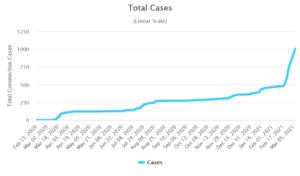
A tense context confirmed by the statistics: since the appearance of the new outbreak, in less than a month, the total number of positive cases has almost tripled, from 516 to 1,430 cases. To make matters worse, the very first death linked to Covid-19 in Cambodia was reported on March 11.

Total Covid-19 positive cases in Cambodia between February 15, 2020 and March 8, 2021. Source: Johns Hopkins University.

For Visal DOEU, a nurse requisitioned by the Ministry of Health to fight on the front lines against Covid and a member of the Taramana team, the phenomenon of community transmission is “the worst scenario that could have happened. “I’m worried for my family and my health,” he continues, “because the cases are increasing every day, the population is starting to get tired of it, to pay less attention and not be afraid of the virus anymore.”

EMERGENCY AND PRECAUTIONS

As for the country’s authorities, they do not relax. On the contrary. As soon as the February 20 cluster was discovered, restriction measures were tightened. The closure of schools and universities in the provinces of Phnom Penh, Kandal and Sihanoukville, cinemas and sports halls, theaters and museums in Phnom Penh and Kandal province were announced. A QR code system has also been set up in establishments receiving the public.

And it doesn’t get any better. In a “special” audio message broadcast in an “emergency” on Monday, March 8, Prime Minister Hun Sen announced a ban on all gatherings, including in businesses. Teleworking was now the norm for a minimum of seven days. “The current situation requires even more vigilance than before and what is not necessary must be suspended and postponed. This is an urgent situation and precautions must be taken to stop the spread of the virus,” said the head of the Cambodian government. Wearing a mask has also become mandatory since March 12, under penalty of a fine, whereas until then it was only recommended.

TARAMANA IN SLOW MOTION

This resurgence of the epidemic has even reached the slum of Boeng Salang, where Taramana intervenes with disadvantaged families, where a woman has been declared positive. This situation obviously affects the organization of Taramana. The Taramana Magdalena Center no longer welcomes any groups of children, extracurricular activities such as rugby and dance have been suspended and the staff members are mainly teleworking.

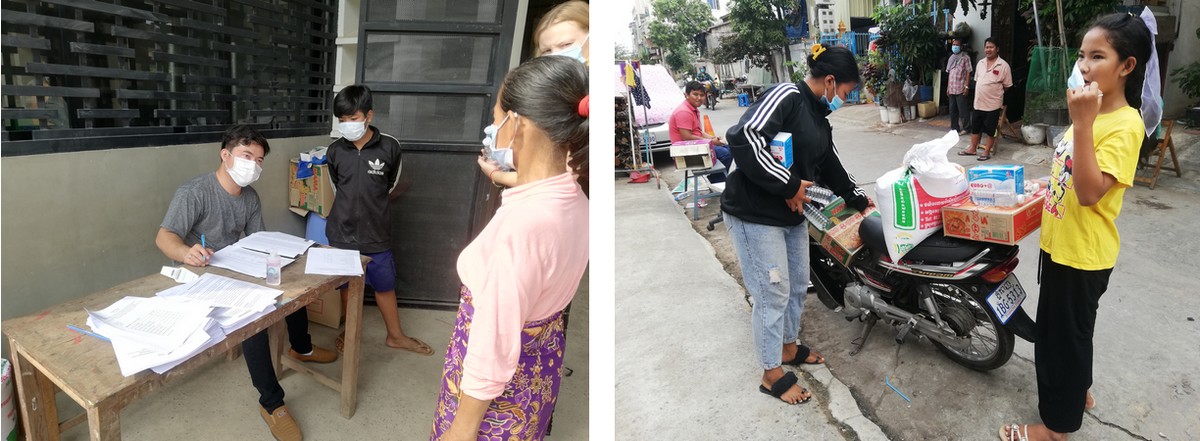
Taramana is slowing down but, fortunately, its solidarity activities are not interrupted. Rice distributions continue and are even the rare times when children are allowed to come to the Center. A distribution of a box of 50 masks and a liter of hydroalcoholic gel to each family followed by Taramana also took place this month. On the health side, the association still regularly provides medicines to the inhabitants suffering from chronic diseases. Moreover, Dr. Jocelyn Dordé, Taramana’s president, Visal, our nurse, as well as Dararith, our social worker, remain at the disposal of the families in case of emergency or particular request.

The only good news is that approximately 300,000 doses of vaccine arrived in Cambodia in early March and vaccinations have begun. Health professionals are the first to benefit. Let’s hope that the situation improves in the weeks and months to come!

CIVIL STATUS IN CAMBODIA, A CONCEPT STILL NOT WELL UNDERSTOOD

A civil status, a known date of birth, a well written name, all of these seem to us to be simple and easily accessible rights. However, in Cambodia, it is still common for a child to have only an approximate idea of his age and therefore no knowledge of his or her birthday.

THE “GHOSTS” OF SOCIETY

Birth registration in Cambodia has improved in recent years, dropping from 62% of unregistered children under 5 in 2010 to 25% in 2017. However, today this still represents 1.6 million children without an official identity. Several factors can explain this phenomenon: a birthday chosen by the parents at the time of making the papers or a bad transcription of the information or the irregular translation in Latin letter of the first names by the various administrations.

Thus, a registered child may not know his date of birth, his first name may not be the same on all of his identity documents, and other small errors that cause problems on a larger scale.

The biggest problem remains the birth registration because unregistered children are deprived of an administrative identity, making them true “ghosts” in society. This can lead to a fragile future for the child who, without an identity, cannot pursue an education, a professional career, vote, travel or even get married. The lack of an official existence also opens the door to human trafficking, prostitution, early marriage or forced labor.
There are many reasons why families do not declare the birth of a child, ranging from simple nonchalance to the difficulty of getting to the dedicated services. It is often a journey that few parents are willing to make for a step that they do not always understand. However, the birth certificate, once presented at the nearest police station, will allow you to obtain an identity card and, above all, to be recognized as a full citizen.

WHAT SOLUTIONS ?

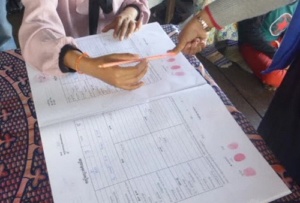
In Taramana, we fight for the right to identity of children, ensuring that each child is registered. If they are not, we help the family to obtain the certificate, either by contributing to the logistical costs or to the cost of issuing the certificate. Today, there are less than ten children enrolled in Taramana who have not yet provided their certificate for the start of the school year, and only one who does not have one at all: little Visal, 12 years after his birth, still does not have a certificate, and as a result, he could not participate in the start of the public school year in January 2021. Born in the province, it would be too expensive for the family to do it from a distance. A return trip might be cheaper but the cost is still too high, and with a 1.5 year old brother and a working father, the mother cannot afford a trip to the provinces.

To ensure that children understand the importance of the birth certificate, moral and civic education classes are given at Taramana. At the same time, we communicate with families to help them understand the importance of this process.

Globally, approximately 166 million children under the age of 5 (one in four) have never been registered at birth. South Asia and sub-Saharan Africa account for 87% of unregistered children under 5.
To address this problem, the Cambodian government has introduced new rules, such as free registration within 30 days of birth. With the help of UNICEF and other NGOs, many steps are taken every year to overcome the lack of declaration and to modify the system for a future where every child will be registered. Among these solutions, there is for example the creation of a platform gathering all the official documents in order to facilitate the work of the town halls, or the organization of “registration weeks” in remote villages, where officials come to register, with the help of NGOs, the unregistered inhabitants.

The Covid crisis has slowed down the process and the research reports, but the population identification strategy put in place by the government in 2016 is still in progress. The long-term goal for Cambodia is to have an identity for everyone by 2026.

Covid-19 : Measures taken by Taramana

On Saturday March 15th 2020, following the announcement of two new cases of Covid-19 in the Kingdom, the Cambodian government applied measures to stop the spread of the virus. The first of these measures, summarized in our April newsletter (here in French), concerned the closing of all the educative establishments in Phnom Penh, a few days after those in Siem Reap. 

One of Taramana’s main actions is to greet Boeng Salang’s children for daily classes, but we decided to follow the given instructions as for other schools. The Taramana Magdalena center has been closed since Monday March 16th until further notice.

Suspension of the Center’s activities

The closure of Taramana means a temporary halt to all the activities that directly involve the children. The classes, as well as all extra-curricular activities (such as rugby, football, outings…) have been suspended. The same goes for the canteen and the infirmary, which used to greet children every day. 

At the same time, the social team also had to stop their family visits. The social surveys are therefore put on pause, but the participation in housing costs (rent, electricity, water…ect) and the rice distribution inside Taramana have been maintained. As the children inside families with the greates difficulties can’t benefit from a free meal every day, it is important for us to continue to provide them with food support. The rice distribution still takes place on the first Sunday of each month and is being carried out in accordance with the health instructions set out by the Cambodian government. Additional quantities of rice were prepared in advance in case of national restrictions.

Concerning the planned events, they will not take place on the scheduled dates : 

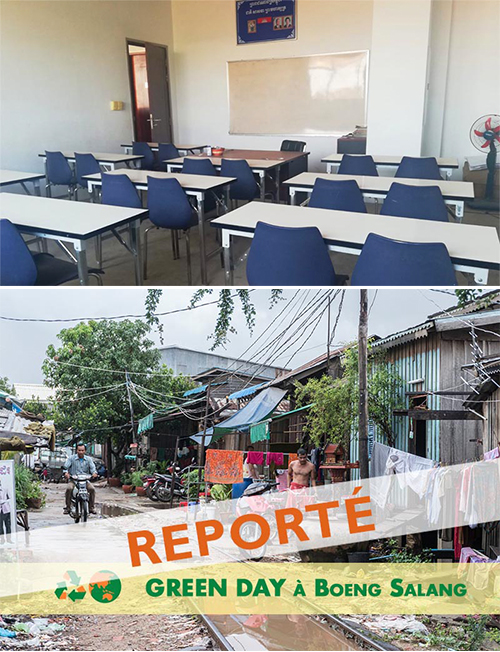
  • The Green Day, a waste management awareness day was supposed to take place on March 23th at the center and within Boeng Salang’s community, but it will be reported to a further date. 
  • Khmer New Year, usually celebrated in the center with activities, games and shows gathering children, teachers and volunteers was scheduled for March 3rd, but is unfortunately was canceled. But no worries, the children will have plenty of occasions to celebrate when the center reopens !

Staff stays mobilized

The activities of the center are on hold, but not the staff ! Visal, our nurse, became a volunteer on a training class about Covid-19, more specifically on prevention measures, safety equipment and the way the virus spreads. This follows a call for help given by the Prime Minister Hun Sen and the Ministry of Health. On March 25th, 422 doctors and nurses were prepared for the fight against coronavirus. This measure aimed a human deployment to support and assist health centres in Phnom Penh and the provinces alongside thousands of other health workers already mobilized. In the meantime, our nurse remains reachable by phone by the Boeng Salang families, if they need it. The same goes for Jocelyn Dordé, Taramana’s President and doctor by profession, currently in Cambodia.

The social team also remains active, between file updating, preparation for the next social surveys and a collective reflection on an improvement of individual social support. Moreover, our social assistant, who lives in Boeng Salang’s community is acting as a bridge between families and the rest of the staff. He can also closely monitor the families, if necessary.

Concerning the teachers, class suspension has allowed them to have more time to prepare for the coming months. The program will include, the usual classes of course, but also a mathematics competition, new moral education sessions and some Cambodian national special days presentations, which will take place several times in May.

Finally, the French staff are pursuing their missions in accounting, communication and fundraising which are, by their nature, less disrupted by the closure of the center. The volunteers who came for the last months had to stop their mission prematurely and go back to their respective families in France. 

We will keep you informed of developments concerning the Cambodian situation, especially for the children and their families. In the meantime, take care of yourself and others! 

The mural of the Taramana Family

A more colourful playground!

The playground is the heart of the Taramana Magdalena centre. Like the living room of a house, it is the space where everyone gathers before returning to their occupations, in the early morning and afternoon, and often during breaks. From gatherings to annual celebrations, games, music, prevention sessions and various interventions, the playground is the place for moments both rich in laughter and transmission. An atmosphere that contrasts with the greyness of the walls, which until now have been little or temporary decorated.

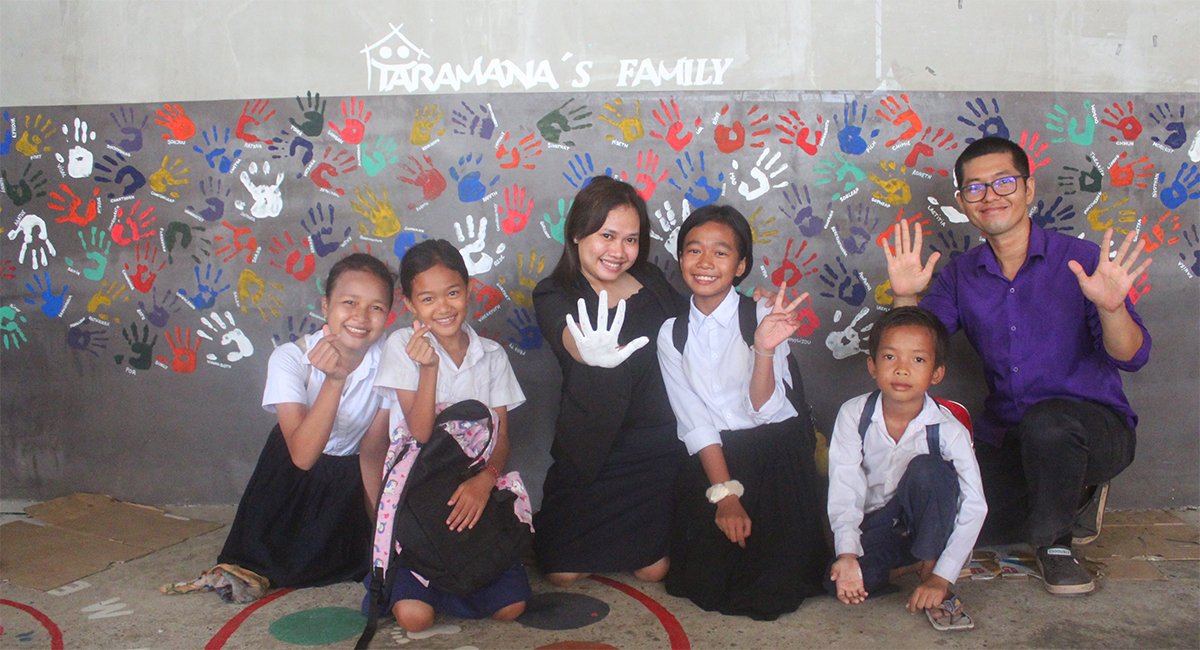
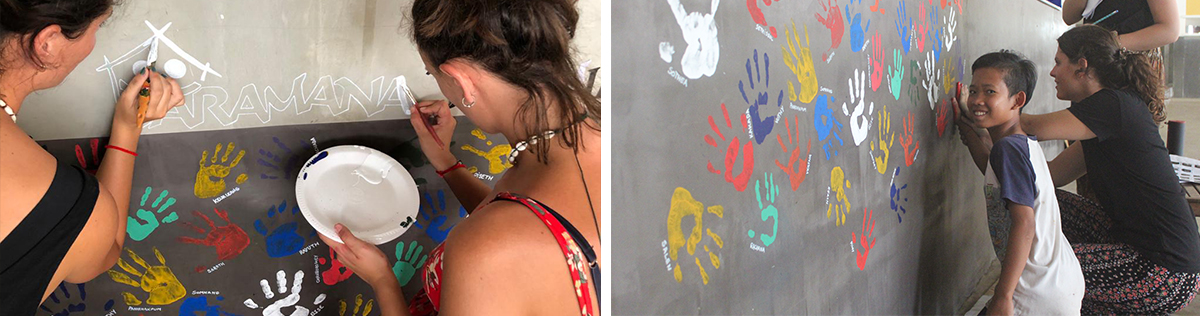
Equipped with paint cans and posca (a little white magic pen), the volunteers then took things in hand! Their mission was to make this place more colourful. Their idea: to create a mural fresco at the hands of the children and the team.

A rite of passage for the children

Beyond the decorative aspect, this hands fresco allows each child to leave a trace at Taramana. An artistic way to express “I’ve been there”.

Each child chooses a color and puts his/her hand on the wall, next to the other prints, to mark his belonging to the Taramana Family. Next to each hand is written the children’s first names, in both Khmer and in English, so that each student feels represented as an individual person and still yet part of a whole. 

The staff also put their hand into the work… or rather into painting! Thus, the team members and volunteers involved in the daily work with the children also have their place on the wall.

Making one’s mark will now be a rite of passage for new students, teachers, volunteers… This act will symbolize their integration into the Centre and our big family. Over the years, it is easy to imagine that this mural will cover a large part of the walls of the building. A decoration full of meaning!

You too. Be are part of the Taramana Family!

🌏 Discover how to join… over here!
🤝 Sponsor Taramana… over there